Core

What Is a Chinese Fan?

A Chinese fan is a traditional hand fan (扇子, shànzi) made of bamboo, paper, silk, palm leaf or feathers. Far more than a cooling tool, it has carried painting, calligraphy and social status for more than two thousand years.

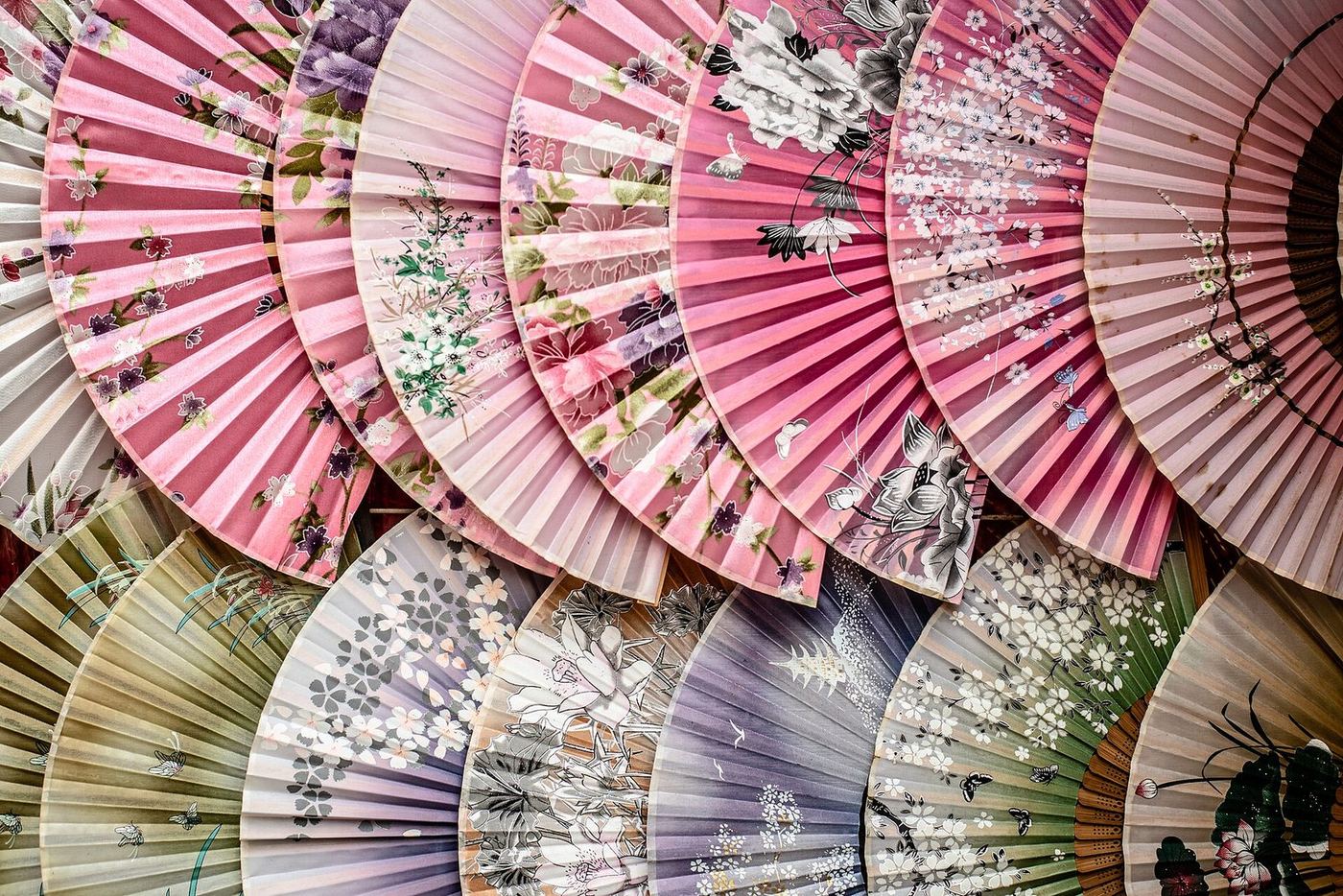
Traditional Chinese folding fan with hand-painted flowers, fully open

In this guide, “Chinese fan” refers to the traditional hand fan (扇子) — not fan culture or the surname Fan.

What this guide covers

The outline

  1. 01What counts as a Chinese fan (and what doesn't)
  2. 02The five main types at a glance
  3. 03Materials: silk, bamboo, paper, sandalwood, feathers
  4. 04Why the folding fan mattered to scholars
  5. 05How to tell a traditional fan from a souvenir
  6. 06Frequently asked questions

Section 01

What counts as a Chinese fan (and what doesn't)

A Chinese fan is a handheld fan made from traditional materials such as bamboo, paper, silk, palm leaf or feathers — something you hold, wave and carry. The Chinese word is shànzi (扇子). On this site, “Chinese fan” always means the hand fan: never an electric or ceiling fan, never fan culture or fandom, and never the surname Fan. If you want the full naming story, see what a Chinese fan is called.
What unites every Chinese fan is that it has never been only a cooling tool. Fans were painted, calligraphed, given as gifts, carried in ceremony, and used as props in opera and dance. A fan could signal education, taste or rank as clearly as a suit of clothes can today. For where that tradition began, start with the history of Chinese fans.

  • A handle or pivot — the point you hold, or the rivet the ribs turn around.
  • A leaf or fan surface — paper, silk, palm leaf or feathers.
  • Ribs or a frame — usually bamboo, sometimes sandalwood or other wood.
  • Decoration — hand-painted scenes, calligraphy, or both.
Section 02

The five main types at a glance

Chinese fans are usually grouped by shape. Five families cover almost every fan you will meet:

TypeChinese nameShapeNotes
Folding fan折扇 zhéshànPleated, collapsibleThe scholar's fan; peaked in the Ming and Qing dynasties
Round fan团扇 tuánshànCircular, fixedSilk-covered; carried at court from the Han dynasty on
Feather fan羽扇 yǔshànFan of feathersStrategists and ceremonies; linked to Zhuge Liang
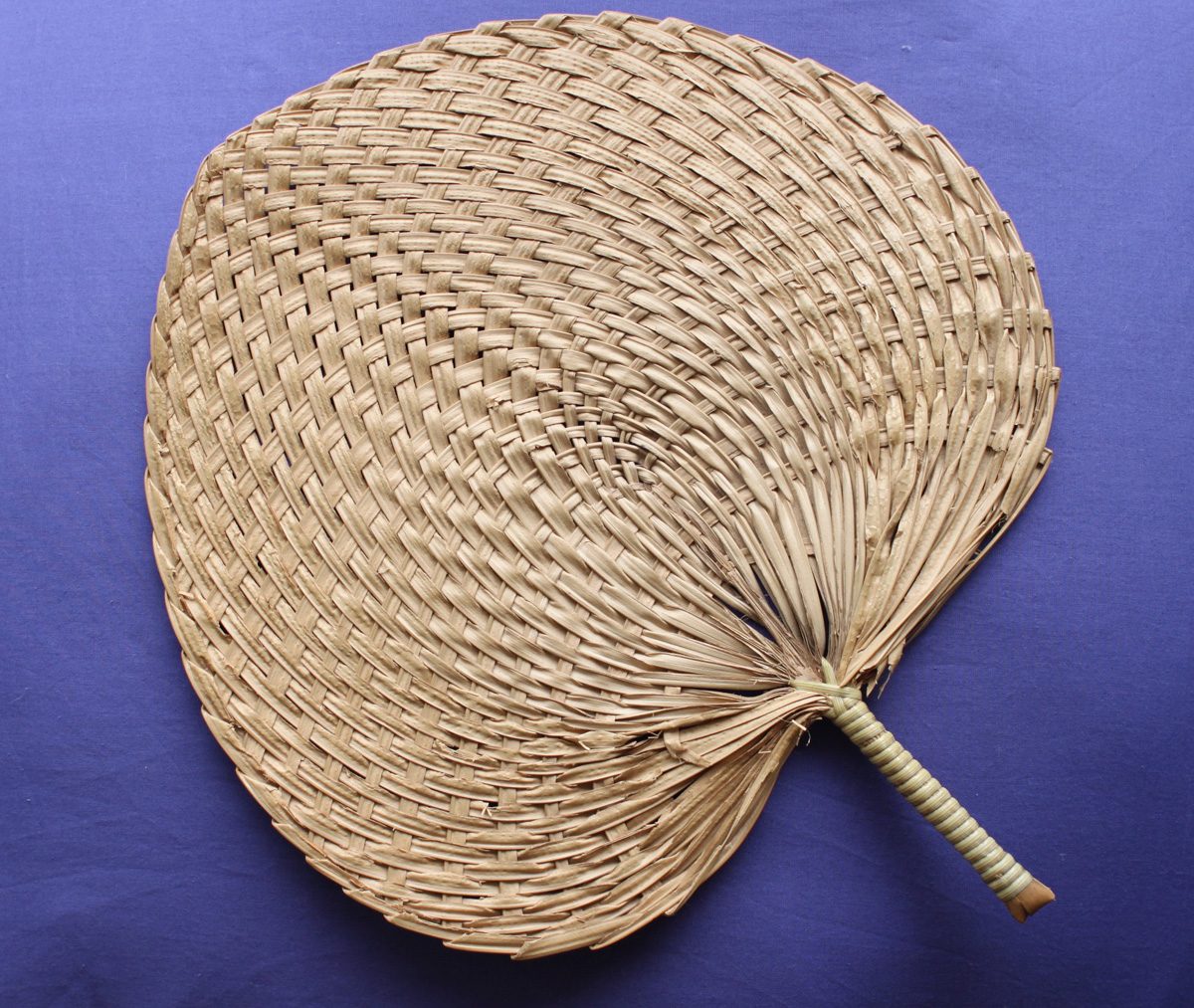
Palm-leaf fan蒲扇 púshànBroad leaf, fixedEveryday cooling fan used by all classes
Ceremonial fan掌扇 zhǎngshànLarge, long-handledCarried by attendants at court and ritual
The five main families of traditional Chinese fans

Each family has its own story, materials and uses — the full comparison lives in our guide to types of Chinese fans.

Section 03

Materials: silk, bamboo, paper, sandalwood, feathers

Bamboo ribs with a paper leaf is the most common combination by far — light, flexible and cheap to make. Silk appears where a fan needs to look luminous, most famously on round fans and on finer folding fans. Sandalwood makes a rare, fragrant premium fan, traditionally associated with Suzhou and Hangzhou. Feathers belong mainly to ceremonial and stage fans.

  • Bamboo fans — the classic rib material, springy and durable.
  • Silk fans — soft, translucent surfaces, often hand-painted.
  • Paper fans — lightweight leaves, printed or painted.
  • Sandalwood — carved, scented, and priced accordingly.
  • Feathers — goose and crane feathers for ceremony and opera.

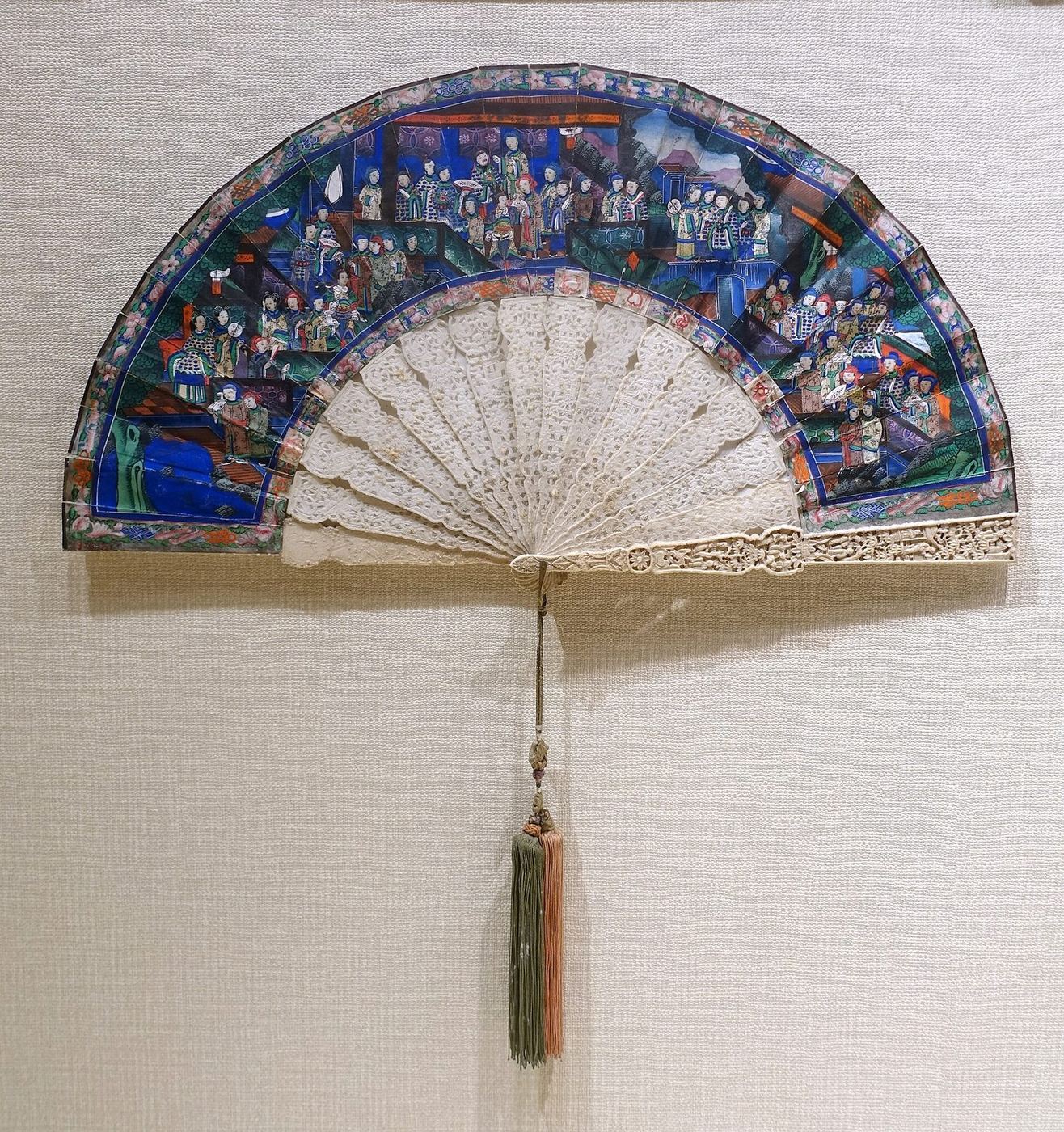
Antique fans were sometimes made with ivory ribs. Modern buyers — and this site — prefer sustainable bamboo and wood, which were always the more common choices anyway.

Section 04

Why the folding fan mattered to scholars

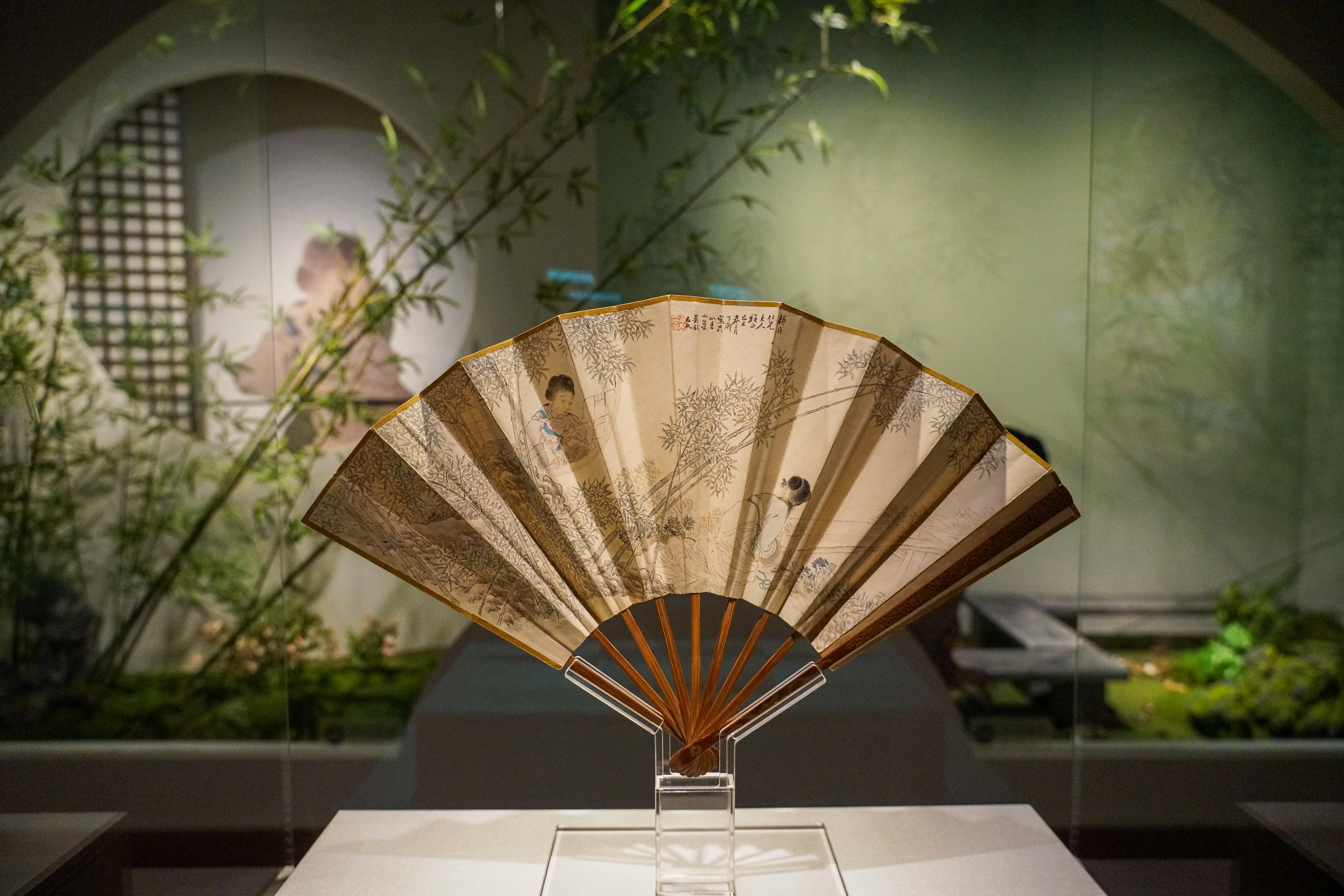
The Chinese folding fan earned a nickname that sums up its appeal: 怀袖雅物 (huáixiù yǎwù), “a refined object for the sleeve.” Closed, it slipped into a scholar's robe; open, it turned into a small canvas of landscape, poetry or bamboo.

That combination — practical and artistic at once — made the folding fan the signature accessory of Ming and Qing literati. Friends exchanged fans as gifts, artists painted on them as readily as on scrolls, and the art of the Chinese fan grew up around the object itself.

Section 05

How to tell a traditional fan from a souvenir

  • Look at the brushwork: hand-painted leaves show visible strokes and variation; printed leaves have flat, repeating color.
  • Feel the ribs: real bamboo or wood is light, warm and slightly uneven; molded plastic is uniform and cold.
  • Check the pivot and guard sticks: a well-made fan has tightly set rivets and outer ribs that protect the leaf.
  • Ask about provenance: a maker, city or workshop story is a strong signal of craft.
  • Be suspicious of very low prices for “handmade” fans — real handwork costs real money.

A full buyer's checklist is in our guide to authentic Chinese folding fans.

Section 06

Frequently asked questions

What is a Chinese fan?

A Chinese fan is a traditional hand fan (扇子, shànzi) made of materials such as bamboo, paper, silk, palm leaf or feathers. The main types are the folding fan (zhéshàn), round fan (tuánshàn), feather fan (yǔshàn), palm-leaf fan (púshàn) and ceremonial fan (zhǎngshàn).

What is the difference between a folding fan and a round fan?

A folding fan (zhéshàn) has a pleated leaf that collapses around a rivet and is associated with scholars. A round fan (tuánshàn) is a fixed circular fan, usually covered in silk, that was carried at court and by palace women from the Han dynasty onward.

What does a Chinese fan symbolize?

A Chinese fan can symbolize education, taste and status, and the motifs painted on it carry their own wishes — lotus for purity, bamboo for integrity, crane for longevity. Fans also make traditional gifts, since the act of giving one expresses respect and blessing. See our guide to Chinese fan symbolism.

Are Chinese fans still made today?

Yes. Traditional fans are still made in workshops in cities such as Suzhou and Hangzhou, alongside machine-printed souvenir fans. Handmade fans remain a living craft, though they cost more. See handmade Chinese folding fans.