Buying

How to Find an Authentic Chinese Folding Fan

What separates an authentic Chinese folding fan from a souvenir? Materials, construction, painting and provenance — the buyer's checklist.

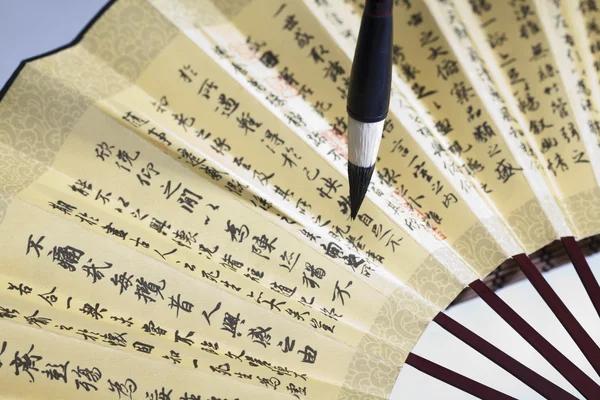
Chinese fan decorated with landscape painting and calligraphy

In this guide, “Chinese fan” refers to the traditional hand fan (扇子) — not fan culture or the surname Fan.

What this guide covers

The outline

  1. 01What 'authentic' means for a fan
  2. 02Read the materials: bamboo, wood, sandalwood
  3. 03Examine ribs, rivets and finish
  4. 04Painted vs printed leaves
  5. 05Provenance and maker stories
  6. 06Price red flags
  7. 07Buyer's checklist
  8. 08Frequently asked questions

Section 01

What 'authentic' means for a fan

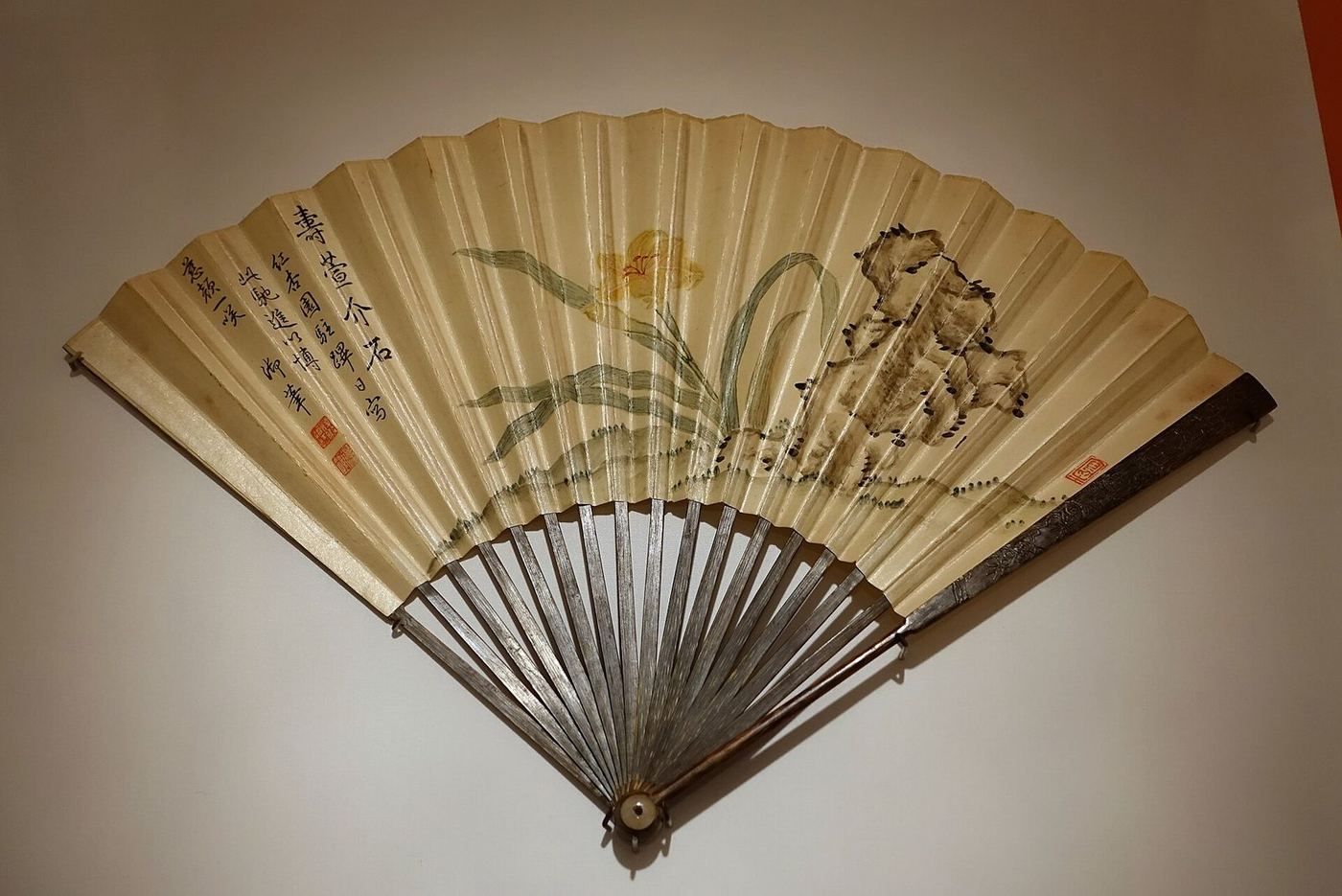
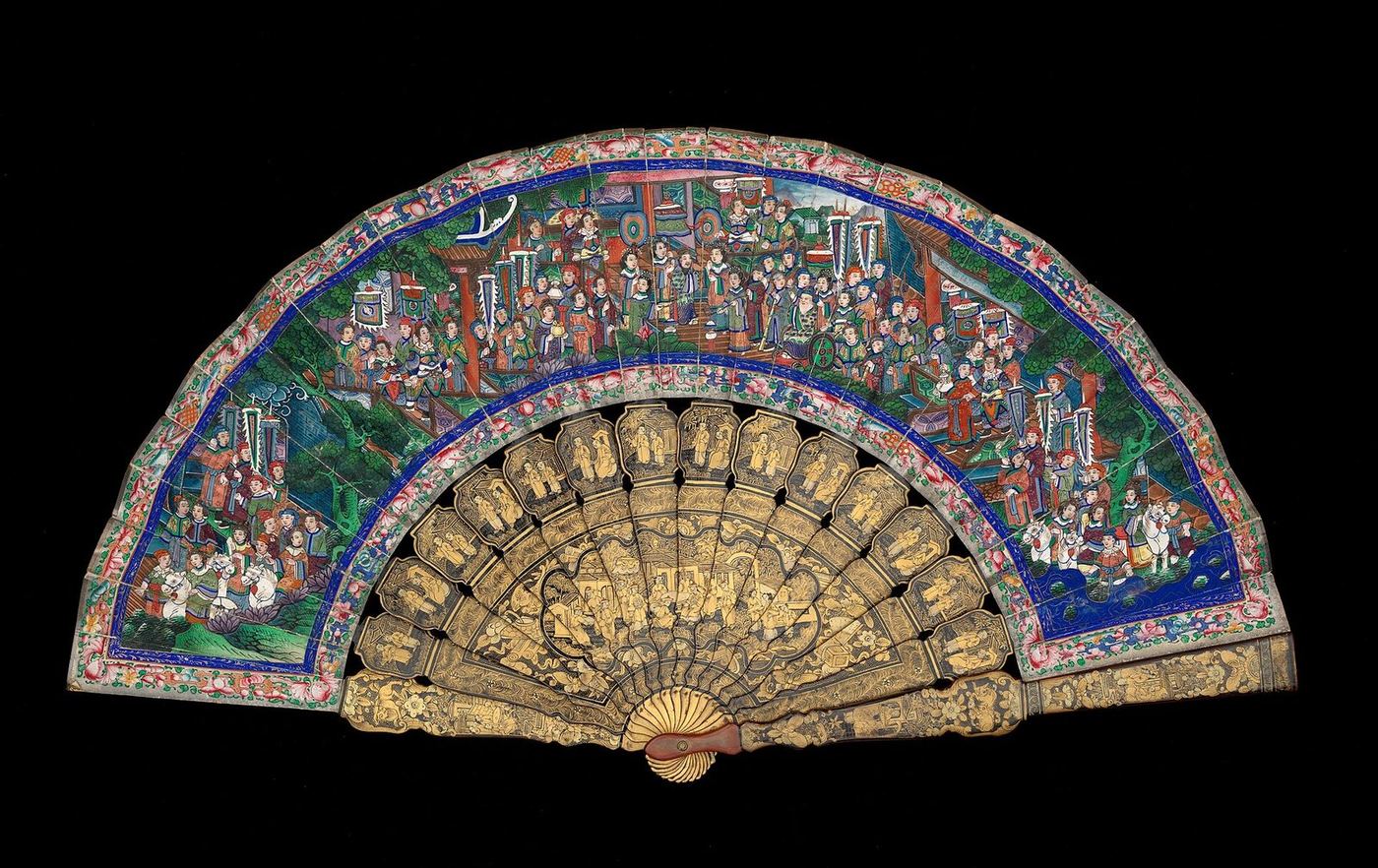
An authentic Chinese folding fan is one made the traditional way: real bamboo, wood or sandalwood ribs, a paper or silk leaf that was painted or written by hand, and construction that would satisfy a workshop in Suzhou or Hangzhou. Authentic does not mean old or expensive — it means the materials and methods are genuine.
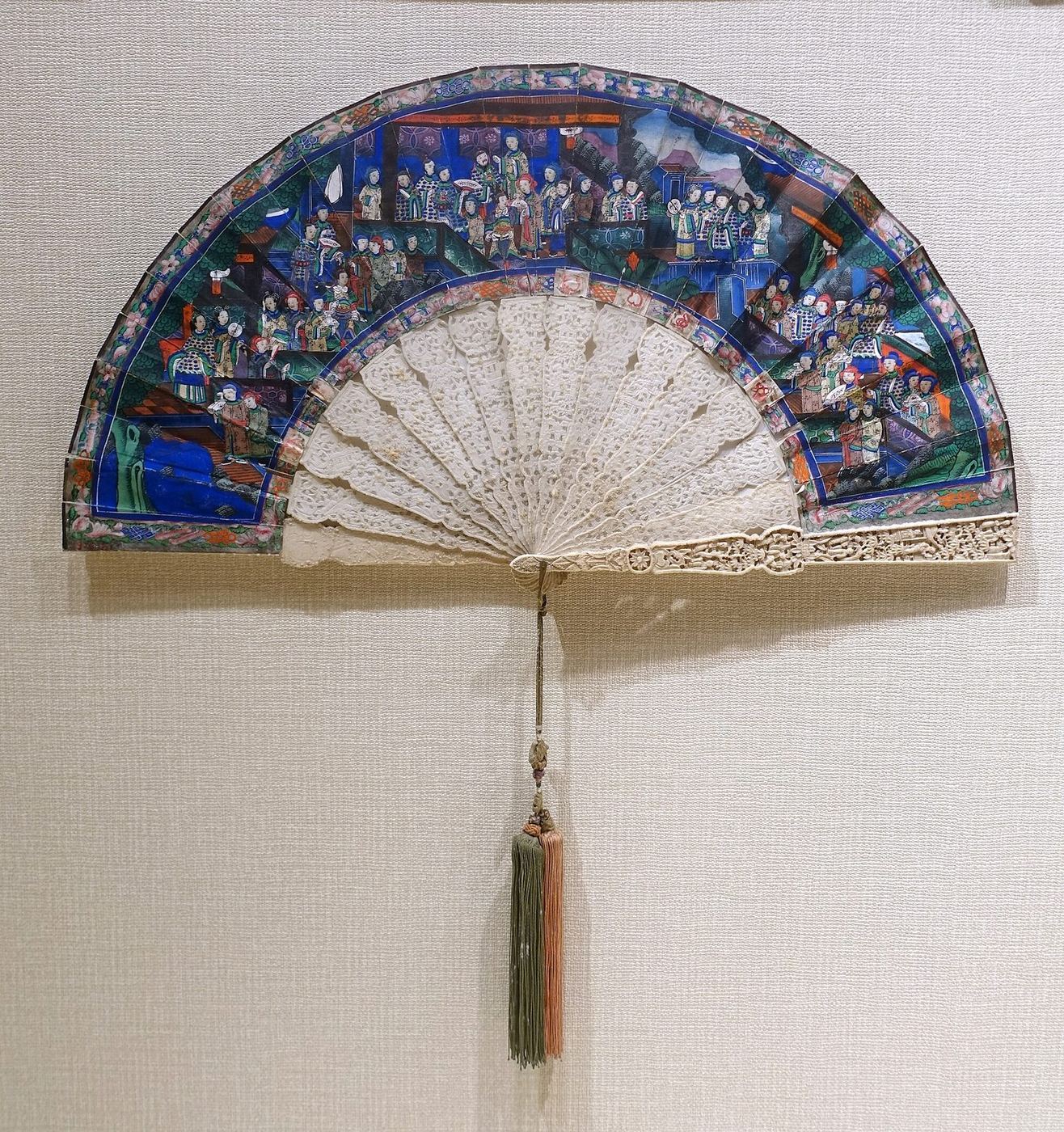
Most “Chinese fans” sold abroad are printed souvenirs on molded or thin wooden ribs. They are fine as decoration, but they are not the object this guide describes. The good news: with five checks, anyone can tell the difference in under a minute.
Section 02

Read the materials: bamboo, wood, sandalwood

  • Bamboo ribs feel light, warm and slightly irregular — each rib has grain and tiny natural variations.
  • Molded plastic ribs are uniform, cold and perfectly smooth; they are the clearest fake signal.
  • Real sandalwood smells sweetly woody even when closed; a “sandalwood” fan with no scent is not sandalwood.
  • Wooden ribs (rosewood, huanghuali) are dense, dark and heavy compared with bamboo.
  • Ribs should flex slightly and spring back — brittle or rigid ribs break at the rivet.

The material pages go deeper: bamboo fans cover rib selection, and silk fans cover how to verify silk. For most buyers, the one-minute test is simply: does it feel like wood and bamboo, or like plastic?

Section 03

Examine ribs, rivets and finish

  • Count the ribs and look at the ends — hand-shaped ribs are slightly uneven; machine ribs are identical.
  • Check the rivet: a well-set rivet turns smoothly and holds the ribs tight; a loose rivet lets the fan wobble.
  • Look at the guard sticks — they should be thicker than the inner ribs and protect the closed leaf.
  • Run a finger along the edges — a finished fan has smooth, rounded rib edges, not sharp splinters.
  • Open and close it several times; authentic construction is quiet and even, with no grinding or catching.

The anatomy of these parts is described in detail on the Chinese folding fan page. If the rivet feels loose or the guards do not protect the leaf, the fan will not last — regardless of how it looks in photos.

Section 04

Painted vs printed leaves

CheckHand-paintedPrinted
BrushworkVisible strokes, varied width and ink densityFlat, uniform color
RepetitionEach fan is uniqueIdentical across copies
EdgesSlight color variation at stroke edgesSharp, even edges
Reverse sidePaint sometimes shows through lightlyClean and blank
Hand-painted vs printed leaves

For a gift or a collection, hand-painted is the point. For casual use, printed is fine — and much cheaper. The painting tradition itself is worth knowing before you judge: see Chinese fan painting for what handwork looks like at its best.

Section 05

Provenance and maker stories

Authentic fans come from somewhere. A real maker can tell you the city (Suzhou, Hangzhou), the materials, and who painted the leaf. A seller who only says “traditional Chinese fan” without any detail is usually selling a generic import. Ask directly — the answer tells you more than the listing photos.

Buying from workshops and craftspeople is covered in handmade Chinese folding fans and Chinese folding fans for sale. A fan with a maker story is not just more authentic — it is more interesting to own.

Section 06

Price red flags

  • "Handmade" fans under a few dollars — real handwork cannot be that cheap.
  • Sandalwood or ivory claims at souvenir prices — genuine materials cost real money.
  • Stock photos reused across many sellers — a sign of a generic import.
  • No returns or no detail photos of the ribs and rivet.
  • Vague origin — “China” alone tells you nothing about the workshop.

Price is the final test, and it has its own guide: Chinese folding fan price explains what each category should cost, from printed souvenirs to carved sandalwood.

Section 07

Buyer's checklist

  • Ribs are real bamboo, wood or sandalwood — never plastic.
  • Rivet is tight and smooth; guards protect the closed leaf.
  • Leaf is hand-painted or hand-written, or honestly labeled as printed.
  • Seller can name the maker, city or workshop.
  • Price matches the category (see the price guide).
  • A return policy and clear photos of the actual fan, not stock images.

Work through the checklist once and you will recognize an authentic Chinese folding fan on sight. For the full buying route — where to look, what to pay, how to choose — the next stops are how to choose a Chinese folding fan and Chinese fan gifts.

Section 08

Frequently asked questions

What makes a Chinese folding fan authentic?

An authentic fan uses real materials and traditional construction: bamboo, wood or sandalwood ribs, a paper or silk leaf, and hand assembly with a well-set rivet. Hand-painted leaves and a known maker or workshop are the strongest signs of authenticity.

How can you tell a fake Chinese fan?

The fastest tests: plastic or perfectly uniform ribs, a loose rivet, printed leaves sold as hand-painted, and a seller who cannot name the materials or maker. Very low prices for “handmade” fans are the biggest red flag.

Are printed Chinese fans authentic?

A printed fan can be a genuine Chinese fan — many traditional-style fans are printed — but it should be honestly labeled. The distinction that matters is printed vs hand-painted, not authentic vs fake, and the price should match.

How much does an authentic Chinese folding fan cost?

Broadly: printed bamboo fans run a few dollars to about $20, hand-painted bamboo fans roughly $20–60, and fine sandalwood or carved fans $100 and up. Antique and collector fans are a different market entirely — see the price guide.