Buying

How to Choose a Chinese Folding Fan

Size, material, painting and purpose — a step-by-step method for choosing a Chinese folding fan that suits how you'll use it.

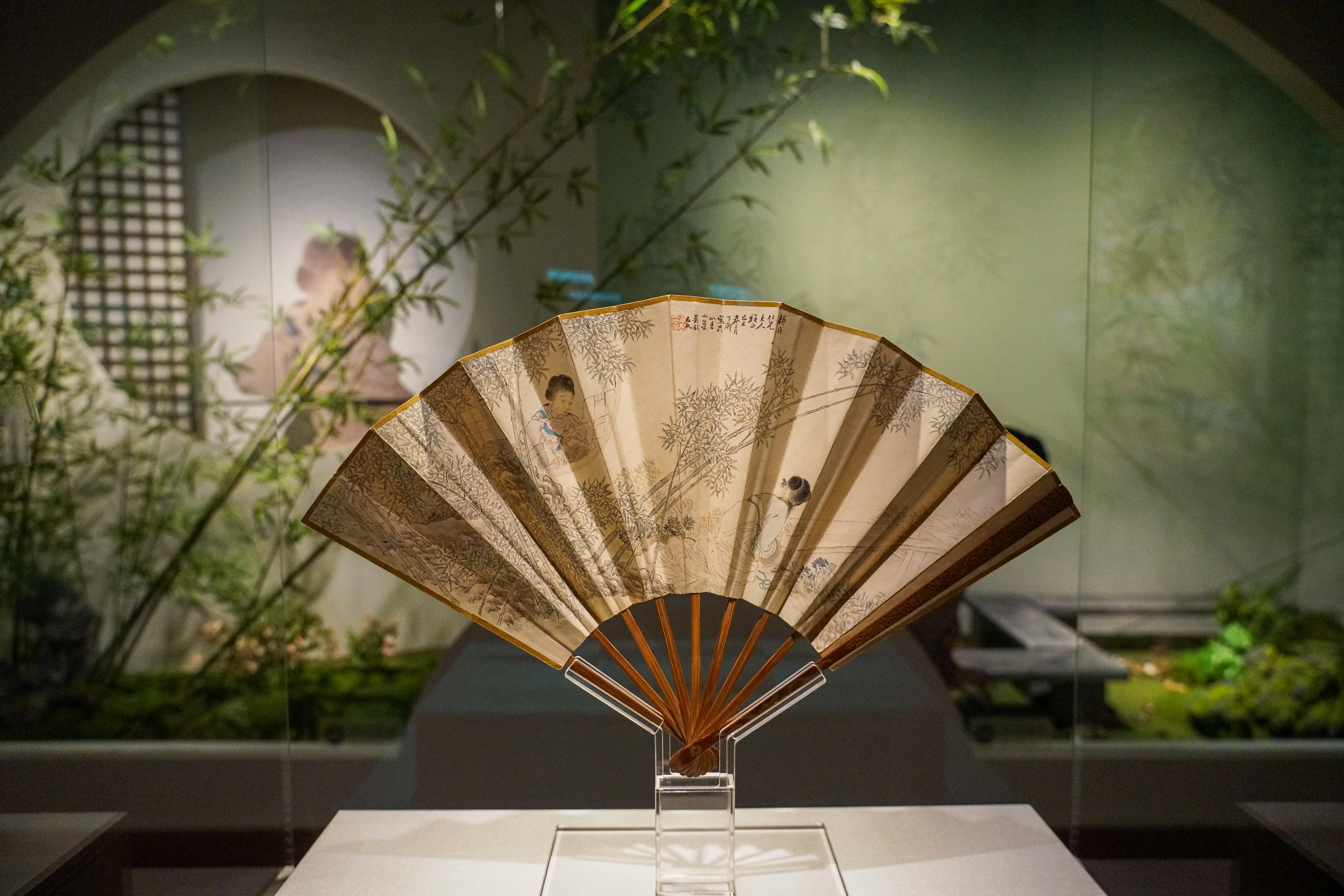
Traditional Chinese folding fan with hand-painted flowers, fully open

In this guide, “Chinese fan” refers to the traditional hand fan (扇子) — not fan culture or the surname Fan.

What this guide covers

The outline

  1. 01Start with how you'll use it
  2. 02Size and rib count
  3. 03Material: bamboo, sandalwood, silk, paper
  4. 04Painting or calligraphy
  5. 05Budget and authenticity
  6. 06A simple decision checklist
  7. 07Frequently asked questions

Section 01

Start with how you'll use it

Every decision about a Chinese folding fan starts with one question: what is it for? A fan for daily summer use, a gift, a dance prop and a collector's piece are four different purchases. Choose the purpose first, and size, material and painting all fall into place.

  • Daily cooling — light bamboo ribs, printed or simple leaf; cheap enough to carry anywhere.
  • Gift — hand-painted leaf with a symbolic motif, chosen for the person.
  • Dance or tai chi — sturdy construction and a reliable snap; silk or paper depending on the form.
  • Display or collection — carved ribs, hand-painted silk, provenance.

If you are still deciding between fan types entirely, start at types of Chinese fans — the folding fan is the most versatile, but a round fan may suit a dance or a gift better.

Section 02

Size and rib count

FansRibsCharacter
Small (7–10 ribs)7–10Light, easy to open one-handed, pocketable
Classic (12–16 ribs)12–16The balanced everyday and gift fan
Full (16–24 ribs)16–24Wider arc, finer pleats, more display presence
PerformanceVariesSturdy ribs built for snapping and spinning
Size and ribs at a glance

More ribs mean a wider, finer-looking fan but more weight and a stiffer open. For a first fan, 12–16 ribs is the sweet spot; for the sleeve, go small. The anatomy that makes these numbers matter is explained on the Chinese folding fan page.

Section 03

Material: bamboo, sandalwood, silk, paper

RibsLeafBest for
BambooPaperDaily use; the classic, affordable pair
BambooSilkDisplay and gifts; luminous but delicate
SandalwoodPaper or silkFragrance and luxury; Suzhou specialty
Wood (rosewood, huanghuali)PaperCollector fans with weight and grain
Material pairs for the leaf and ribs

Bamboo-and-paper is the answer for most people; sandalwood adds fragrance at a real premium; silk turns the fan into a display piece. Each material has its own guide — bamboo, silk, paper — and the price impact is covered in Chinese folding fan price.

Section 04

Painting or calligraphy

The leaf is where a fan becomes personal. A printed leaf is fine for daily use; a hand-painted leaf — flowers, landscape, birds — turns the fan into art, and a calligraphy fan carries a poem or blessing chosen for the owner. For gifts, the painting should match the recipient's meaning: the matching table is in Chinese fan gifts.

The distinction between printed and hand-painted matters more than the subject — and it is the easiest thing to check. The quick tests are in authentic Chinese folding fans, and the art behind them in Chinese fan painting and Chinese fan calligraphy.

Section 05

Budget and authenticity

  • Under $15 — printed souvenir tier; fine for decoration, not craft.
  • $20–60 — hand-painted bamboo; the real-fan sweet spot for gifts.
  • $60–150 — sandalwood; fragrance and fine ribs, usually a plain leaf.
  • $100+ — carved or silk display fans; the collector and heirloom tier.
  • Antiques — a separate market; buy documented and with specialist advice.

Set the budget before you look, and let authenticity follow the money: real handwork has a floor, and anything far below it is mislabeled. The full price structure is in Chinese folding fan price.

Section 06

A simple decision checklist

  • Purpose — daily, gift, dance or display?
  • Size — how will it be carried and used?
  • Ribs — 7–10 for lightness, 12–16 for balance, more for display.
  • Materials — bamboo/paper for value; sandalwood/silk for luxury.
  • Leaf — printed for use, hand-painted for meaning.
  • Budget — match the tier, and verify authenticity within it.

Work the list top to bottom and the choice narrows itself. When you are ready to buy, Chinese folding fans for sale covers where to look and what to check — and if the fan is a gift, Chinese fan gifts closes the loop.

Section 07

Frequently asked questions

How do I choose a Chinese folding fan?

Start with the purpose — daily use, gift, dance or display — then choose size and rib count, materials (bamboo/paper for value, sandalwood/silk for luxury), and the leaf (printed for use, hand-painted for meaning). Finally, set a budget and verify authenticity within it.

What size Chinese folding fan should I buy?

For a first fan, 12–16 ribs is the balanced choice for everyday use and gifts. Choose 7–10 ribs for something small and pocketable, or 16–24 ribs for a wider, more display-worthy arc.

Is bamboo or sandalwood better for a folding fan?

Bamboo is lighter, more affordable and the classic choice; sandalwood adds fragrance and a luxury feel at a significant premium. For daily use choose bamboo; for a special gift, sandalwood.

What is the best Chinese folding fan for a beginner?

A bamboo-ribbed fan with a paper leaf, around 12–16 ribs, is the best beginner choice: affordable, easy to open, and forgiving if you are still learning how to hold it.