Buying

How Much Does a Chinese Folding Fan Cost?

Folding fans range from a few dollars to collectible thousands. What drives the price, what's fair to pay, and where the real cost lies.

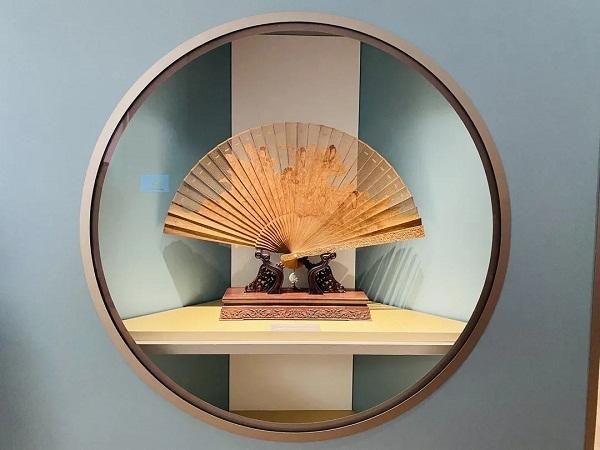
Hand-painted Chinese folding fan with floral motifs

In this guide, “Chinese fan” refers to the traditional hand fan (扇子) — not fan culture or the surname Fan.

What this guide covers

The outline

  1. 01The price spectrum at a glance
  2. 02Why fans cost what they cost
  3. 03Printed vs hand-painted leaves
  4. 04Materials that move the price
  5. 05Antique and collector fans
  6. 06Fair prices by category
  7. 07Frequently asked questions

Section 01

The price spectrum at a glance

Chinese folding fans span a wider price range than almost any other craft object: from a few dollars for a printed souvenir to thousands for a carved antique. The good news is that the market is orderly — once you know the categories, prices are predictable.

CategoryTypical priceWhat you get
Printed souvenir$3–15Machine-printed leaf, simple bamboo or wooden ribs
Hand-painted bamboo$20–60Real ribs, hand-painted paper leaf, craft assembly
Sandalwood ribs$60–150Fragrant material, simple or plain leaf
Carved or silk display fan$100–400Hours of carving and painting; gift or collector piece
Antique and signed$200–several thousandAge, provenance and collectibility
Folding fan price categories (typical market ranges)

These are broad ranges, not quotes — marketplaces vary, and a workshop selling directly may undercut them. What matters is the shape of the curve: material and handwork move the price far more than decoration alone.

Section 02

Why fans cost what they cost

  • Materials — bamboo is cheap, sandalwood is not, and silk costs more than paper.
  • Handwork — assembly, carving and painting are hours of skilled labor.
  • Painting vs printing — a hand-painted leaf can multiply the price several times.
  • Provenance — a named maker or workshop adds value; anonymous imports do not.
  • Condition and age — antique fans carry a separate collector's market.

The cost structure is the same one described in handmade Chinese folding fans — the fan's price is mostly the maker's time. Printed souvenirs are cheap because every stage is automated.

Section 03

Printed vs hand-painted leaves

The single biggest price jump is between a printed leaf and a hand-painted one. A printed bamboo fan sells for a few dollars; the same fan with a hand-painted leaf can sell for $30–60. That is not markup — it is a painter's hours, and it is the difference between decoration and art. How to tell them apart is in painted vs printed leaves.

Hand-painted silk pushes prices higher again, because silk is a demanding surface and the painting is usually finer. The craft behind both is covered in Chinese fan painting.

Section 04

Materials that move the price

MaterialPrice effectNotes
BambooBaselineThe classic, affordable rib
Rosewood / huanghualiModerate premiumDense, dark, collector-friendly
SandalwoodSignificant premiumFragrance and carving; Suzhou specialty
Ivory (antique)Very highEthically problematic; museum and auction market
Silk leafPremium over paperLuminous, hand-painted, display-grade
How materials affect price

The material pages explain each choice in context: bamboo fans, silk fans and the Qing dynasty luxury tradition all show how material drove — and still drives — value.

Section 05

Antique and collector fans

Antique fans are a separate market with separate rules. Prices are driven by age, condition, materials (sandalwood, ivory, tortoiseshell), painting quality and provenance — a fan from a documented collection sells for multiples of a similar unattributed one. Auction houses and specialists set these prices, not craft sellers.

If you are entering this market, buy from specialists who can document the fan, and be aware of the ethical issues around antique ivory and tortoiseshell. The history behind the collectible era is in Chinese fans in the Qing dynasty.

Section 06

Fair prices by category

  • Souvenir / printed — under $15; buy for decoration or a first fan, not for craft.
  • Hand-painted bamboo — $20–60; the sweet spot for a real fan as a gift.
  • Sandalwood — $60–150; expect fragrance and fine ribs, usually a plain leaf.
  • Carved / silk display — $100–400; the gift or collector tier.
  • Antique / signed — $200 and up; buy with documentation and specialist advice.

If a price looks too good for the label, it is usually a printed fan described as handwork — the authenticity checklist catches these. And if you are choosing rather than just pricing, how to choose a Chinese folding fan walks through the decision.

Section 07

Frequently asked questions

How much does a Chinese folding fan cost?

Chinese folding fans typically range from $3–15 for printed souvenirs, $20–60 for hand-painted bamboo fans, $60–150 for sandalwood, and $100–400 or more for carved or silk display fans. Antique and signed fans start around $200 and can reach thousands.

Why are some Chinese fans so expensive?

Price follows materials and handwork: sandalwood, silk and carving cost more than bamboo and paper, and a hand-painted leaf represents hours of a painter's work. Provenance and antique status add a separate collector's premium.

Is an expensive Chinese fan worth it?

For a daily-use fan, no — a printed or simple bamboo fan is enough. For a gift, a collection or an heirloom, the hand-painted and sandalwood tiers are worth the price because you are buying genuine craft.

What is a fair price for a hand-painted folding fan?

Broadly $20–60 for bamboo ribs with a hand-painted paper leaf, and more for silk or sandalwood. Below about $20, “hand-painted” is usually printed.