Buying

Chinese Folding Fans for Sale

Where to buy Chinese folding fans and what to check before you pay — marketplaces, maker-direct options, and red flags to avoid.

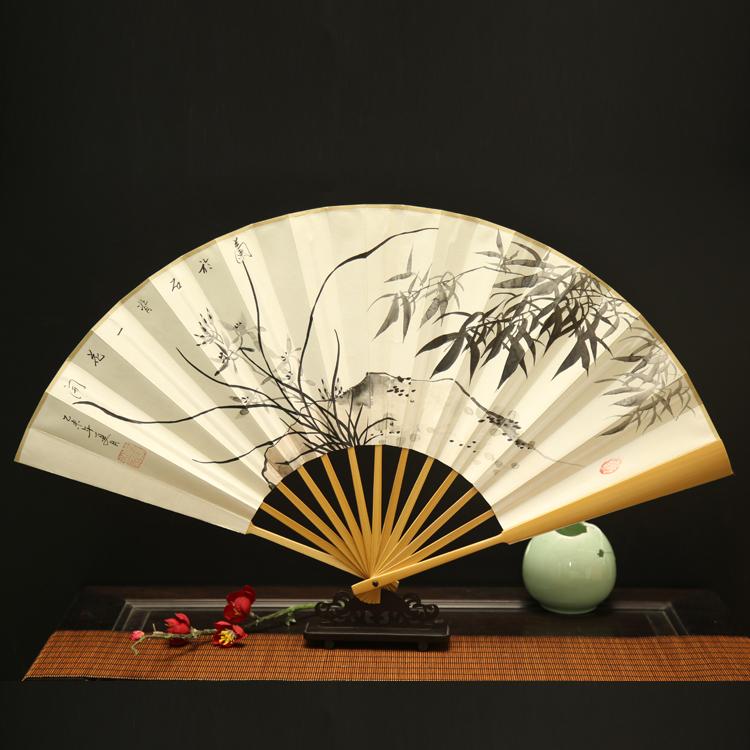
Chinese fan painting with ink brushwork

In this guide, “Chinese fan” refers to the traditional hand fan (扇子) — not fan culture or the surname Fan.

What this guide covers

The outline

  1. 01Where fans are sold
  2. 02Marketplace listings: what to check
  3. 03Buying maker-direct
  4. 04New vs vintage vs antique
  5. 05Shipping and returns
  6. 06A final checklist before you buy
  7. 07Frequently asked questions

Section 01

Where fans are sold

Chinese folding fans are sold in three very different places: global marketplaces (Amazon, eBay, Etsy), maker-direct channels (workshops, craft fairs, specialist sites), and auction houses for antiques. Each suits a different purchase — a printed fan for decoration, a hand-painted fan for a gift, a documented antique for a collection.

The channel shapes what you can expect: marketplaces offer variety and low prices, maker-direct offers authenticity and story, auctions offer provenance. The buyer's checklist applies everywhere — the seller just changes how hard you have to work.

Section 02

Marketplace listings: what to check

  • Photos of the actual fan — ribs, rivet and leaf close-ups; stock photos hide construction.
  • Honest labeling — printed vs hand-painted, bamboo vs plastic, stated size and rib count.
  • Seller history — real workshops have names, reviews and a story; generic sellers change identity.
  • Returns — you need the option to return a fan that arrives creased or cracked.
  • Reviews with photos — previous buyers' photos reveal what the listing hides.

Marketplaces are where most people buy their first fan, and the range is genuinely good — but the labeling is inconsistent. The five-minute check in authentic Chinese folding fans is the difference between a real fan and a decorated disappointment.

Section 03

Buying maker-direct

Maker-direct is the best way to buy a genuine handmade Chinese folding fan. Workshop sites, craft platforms and in-person fairs let you ask questions before buying: which city, which painter, how long it took. The maker can usually show you the fan in progress, and the price — while higher than marketplace imports — buys an object with a name attached.

Direct buyers also get the story that makes the fan a better gift: a fan from a named Suzhou workshop carries provenance that a boxed import cannot. If provenance matters to you, this is the channel.

Section 04

New vs vintage vs antique

CategoryBest forWhat to check
New, modern craftDaily use and giftsMaker, materials, hand-painted leaf
Vintage (20th century)Style and affordabilityCondition, repaired ribs, original leaf
Antique (pre-1900)Collections and displayProvenance, materials, conservation
Which to buy

Vintage fans are an underrated middle ground — often hand-painted, priced below new craft, and ready for display if the leaf is intact. Antiques belong to the specialist market discussed in the price guide: buy documented, buy ethically, and avoid unverified ivory claims.

Section 05

Shipping and returns

  • Fans ship best flat or in rigid packaging — a fan crushed in transit is a lost cause.
  • Check whether the seller ships the fan closed and protected, with the leaf guarded.
  • Confirm the return window before buying; craftsmanship claims are easier to judge in hand.
  • For antique fans, ask about insurance and export documentation where relevant.
  • Silk and paper fans can be damaged by humidity in transit — a sealed, padded package matters.

A little shipping care protects the purchase. If a fan arrives damaged, photograph it immediately — most sellers (especially workshops) will make it right, but they need evidence. For care once it arrives, the folding fan care section applies.

Section 06

A final checklist before you buy

  • Decide the purpose first — decoration, gift, daily use or collection.
  • Choose the channel to match: marketplace for price, maker-direct for authenticity, auction for antiques.
  • Verify materials, construction and painting with the five-minute checklist.
  • Confirm the price is fair for the category (see the price guide).
  • Check shipping, returns and photos of the actual fan.

Buying a Chinese folding fan should take ten minutes of checking and give you years of use. Start with the how to choose guide for the decision process, and the gift guide if the fan is for someone else.

Section 07

Frequently asked questions

Where can I buy a Chinese folding fan?

Chinese folding fans are sold on marketplaces (Amazon, eBay, Etsy), through maker-direct channels (workshop sites, craft fairs) and at auction for antiques. Marketplaces offer the widest range, while maker-direct offers authenticity and provenance.

Is it safe to buy a Chinese fan online?

Yes, with checks: look for photos of the actual fan, honest printed-vs-hand-painted labeling, seller history, a return policy and reviews with photos. The authenticity checklist catches most mislabeled listings.

What is the difference between vintage and antique fans?

Vintage fans are usually 20th-century pieces — often hand-painted, affordable and display-ready. Antique fans are pre-1900 objects with a collector's market, where provenance, condition and materials set the price.

Should I buy a fan directly from a maker?

For a genuine handmade fan, yes. Maker-direct buying gives you the maker's name, city and story, better quality control, and an object with provenance — at a higher price than marketplace imports.