Chinese fan traditions — gift-giving, fan dance, tai chi fan, opera and festival customs — keep the hand fan alive long after electric fans replaced it. Explore the living customs behind Chinese fans.
In this guide, “Chinese fan” refers to the traditional hand fan (扇子) — not fan culture or the surname Fan.
What this guide covers
The outline
01Fans in gift culture
02Fan dance and performance
03Fans in opera and storytelling
04Seasonal and festival fans
05Fans in modern Chinese life
06Traditions worth preserving
07Frequently asked questions
Section 01
Fans in gift culture
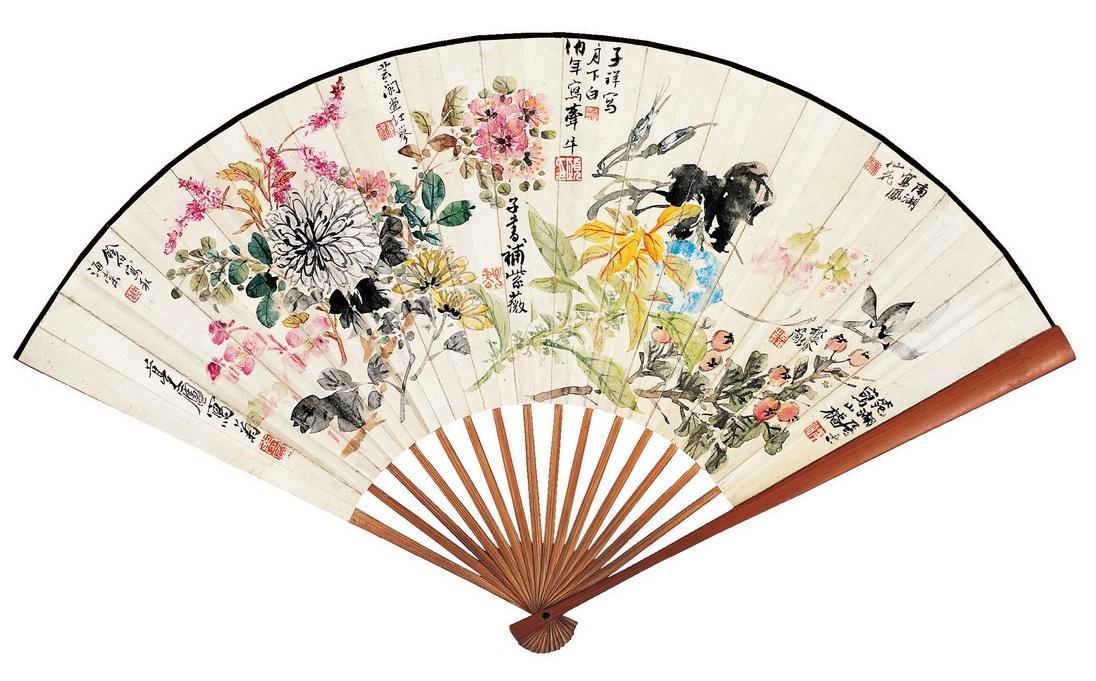
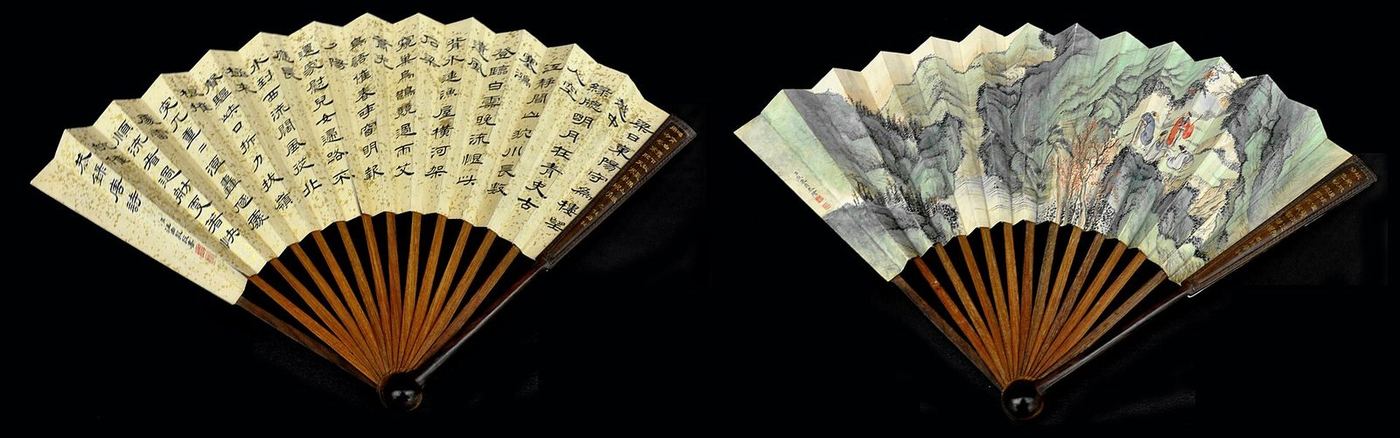
Giving a Chinese fan is a tradition with rules. A fan can carry a blessing — peonies for prosperity, cranes for longevity, mandarin ducks for love — so the motif is chosen for the person, not just the price. The custom runs from the Ming literati, who exchanged painted fans as tokens of friendship, to the modern wedding guest who gives a red fan with a double-happiness mark.
Image: Museum Rietberg via Wikimedia Commons (public domain)
There is also a caution in folk custom: because shàn (扇, “fan”) sounds close to sàn (散, “to part”), a fan given at a farewell could be read as “let us separate.” Knowing when a fan is a blessing and when it is a warning is the practical side of Chinese fan gifts — and of the symbolism behind them.
Section 02
Fan dance and performance
The fan dance (扇子舞, shànziwǔ) turns the fan into the center of a performance. Dancers open, close, toss and spin fans of silk or paper, and the fan becomes a flower, a wave, a veil or a bird in the movement. It is a folk tradition that is still taught, performed and filmed — and one of the reasons the fan never disappeared after electric fans arrived.
The martial cousin of the fan dance is tai chi fan (太极扇), a tai chi form practiced with a folding fan that extends the practitioner's reach and adds a sharp, theatrical snap to the movements. Both traditions are why why do Chinese people use fans has a longer answer than “to keep cool.”
Section 03
Fans in opera and storytelling
Chinese opera gave the fan a precise vocabulary. A scholar enters with a folding fan, a general with a larger or stiffer fan, a lady with a round silk fan — and the way the performer handles it reveals personality: quick flicks for impatience, slow waves for calm, a snapped shut fan for a decision. The audience reads the fan like a sentence.
The feather fan belongs to this stage language too: Zhuge Liang's goose-feather fan identifies the strategist before he speaks. Storytellers and folk opera passed these conventions down for centuries, keeping the fan a living prop rather than a museum object. The opera side of the tradition is explored in Chinese feather fans.
Section 04
Seasonal and festival fans
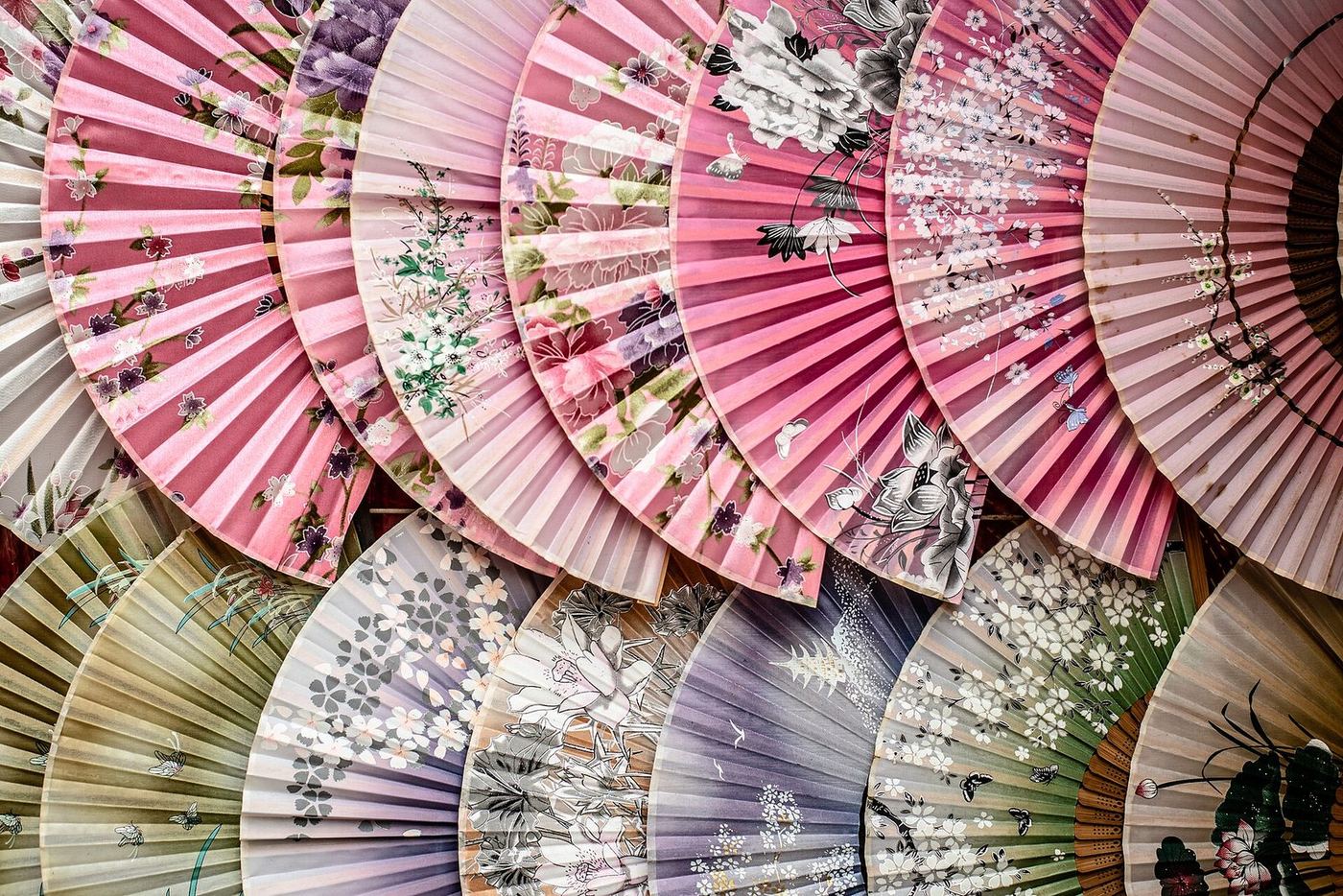
Fans are seasonal objects, and Chinese tradition gave them festival moments. In some regions, fans were given at the Dragon Boat Festival (Duanwu) as gifts to mark the start of summer; the round fan, with its moon shape, fits Mid-Autumn imagery; and red-and-gold fans appear at weddings and New Year celebrations as carriers of blessing.
Photo: Nikolaj Potanin via Wikimedia Commons (CC BY-SA 2.0)
Summer was the fan's season in poetry and daily life alike, which is why classical poems about fans are so often about autumn — the season when a fan's usefulness ends. The literary side of this seasonal cycle is told in what a Chinese fan means.
Section 05
Fans in modern Chinese life
Performance — fan dance and tai chi fan remain popular practices.
Gifts — wedding, festival and souvenir fans keep the tradition commercial.
Heritage — Suzhou fan-making is recognized as part of China's intangible cultural heritage.
Social media — fan dance videos and craft content reach new audiences.
Collecting — antique and handmade fans have an active market.
Modern life changed the fan's job but not its meaning. It is no longer the main way to cool a room, but it is still the way to make a gesture, carry a blessing or perform a tradition — which is why types of Chinese fans still matter today.
Section 06
Traditions worth preserving
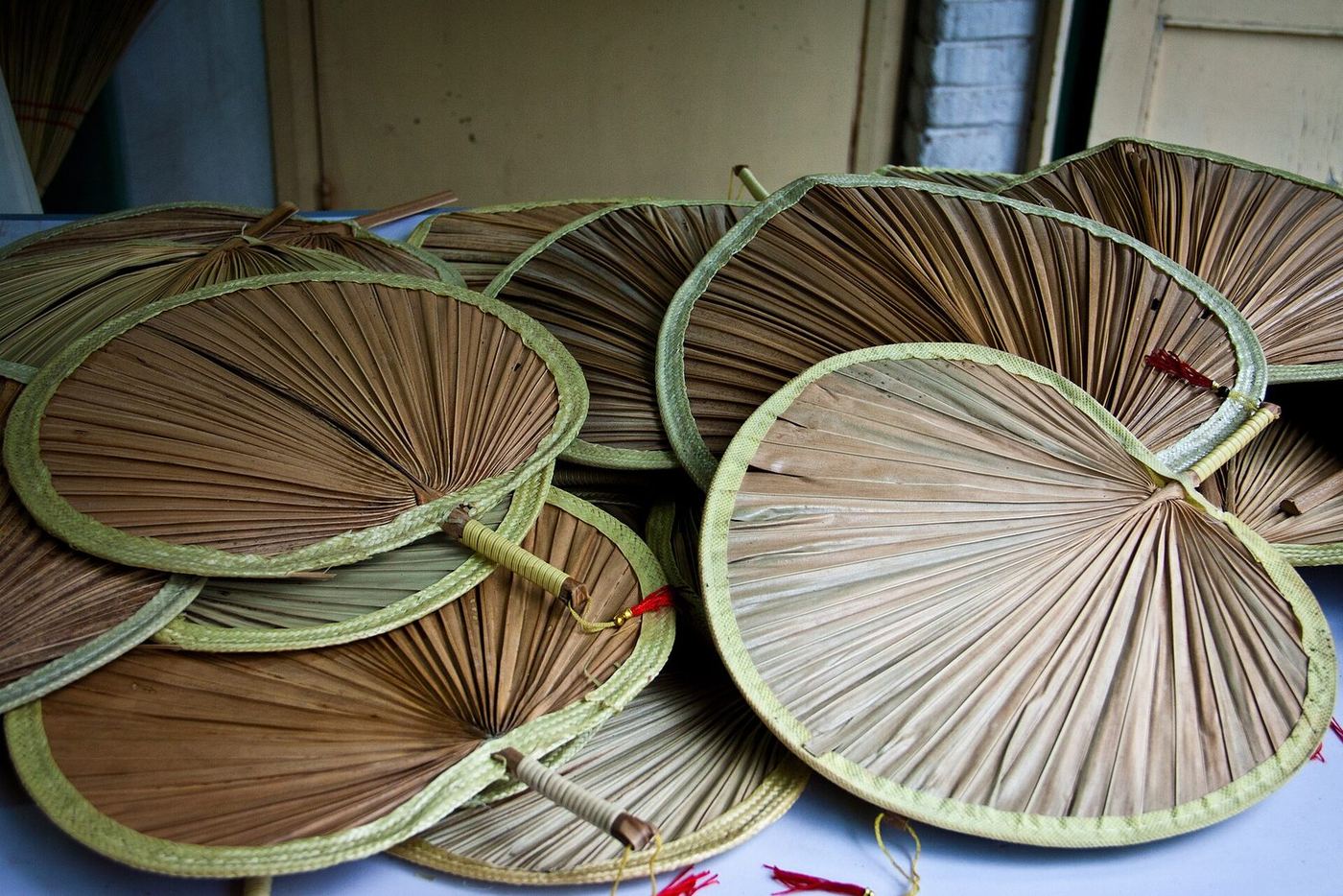
The crafts behind the traditions are themselves the tradition. Rib carvers in Suzhou and Hangzhou, leaf painters who still work in fine brushwork, and workshops that pass technique from master to apprentice all keep the fan alive as a handmade object — not a printed souvenir.
Photo: Tabledreamer via Wikimedia Commons (CC BY-SA 4.0)
Supporting those workshops is the most direct way to preserve the tradition: buying a handmade Chinese folding fan instead of a machine-made one keeps a craft and its knowledge alive. The etiquette and symbolism may be learned, but the object itself has to be made — and that part still needs people.
Section 07
Frequently asked questions
What are Chinese fan traditions?
Chinese fan traditions include gift-giving with symbolic motifs, fan dance (扇子舞), tai chi fan (太极扇), opera conventions where fans identify character types, and seasonal customs such as giving fans at festivals. The fan remains a living tradition in performance, gifts and craft.
Is it bad luck to give a fan as a gift?
In folk custom, giving a fan at a farewell can be read as a wish to part, because shàn (fan) sounds close to sàn (to part). On other occasions — weddings, festivals, birthdays — a fan is a blessing, and the motif carries the specific wish.
What is fan dance in China?
Fan dance (扇子舞) is a Chinese folk dance in which performers use silk or paper fans as the central prop, opening, spinning and tossing them to create visual imagery. Tai chi fan is a related martial form practiced with a folding fan.
How are fans used in Chinese opera?
In Chinese opera, fans identify character types — scholars carry folding fans, ladies carry round silk fans, and strategists such as Zhuge Liang carry feather fans. The way the performer handles the fan expresses personality and emotion.